

Web Design
Delivery Time
Depend on task
Responsibility
Assign Manager
Developer
In House Team
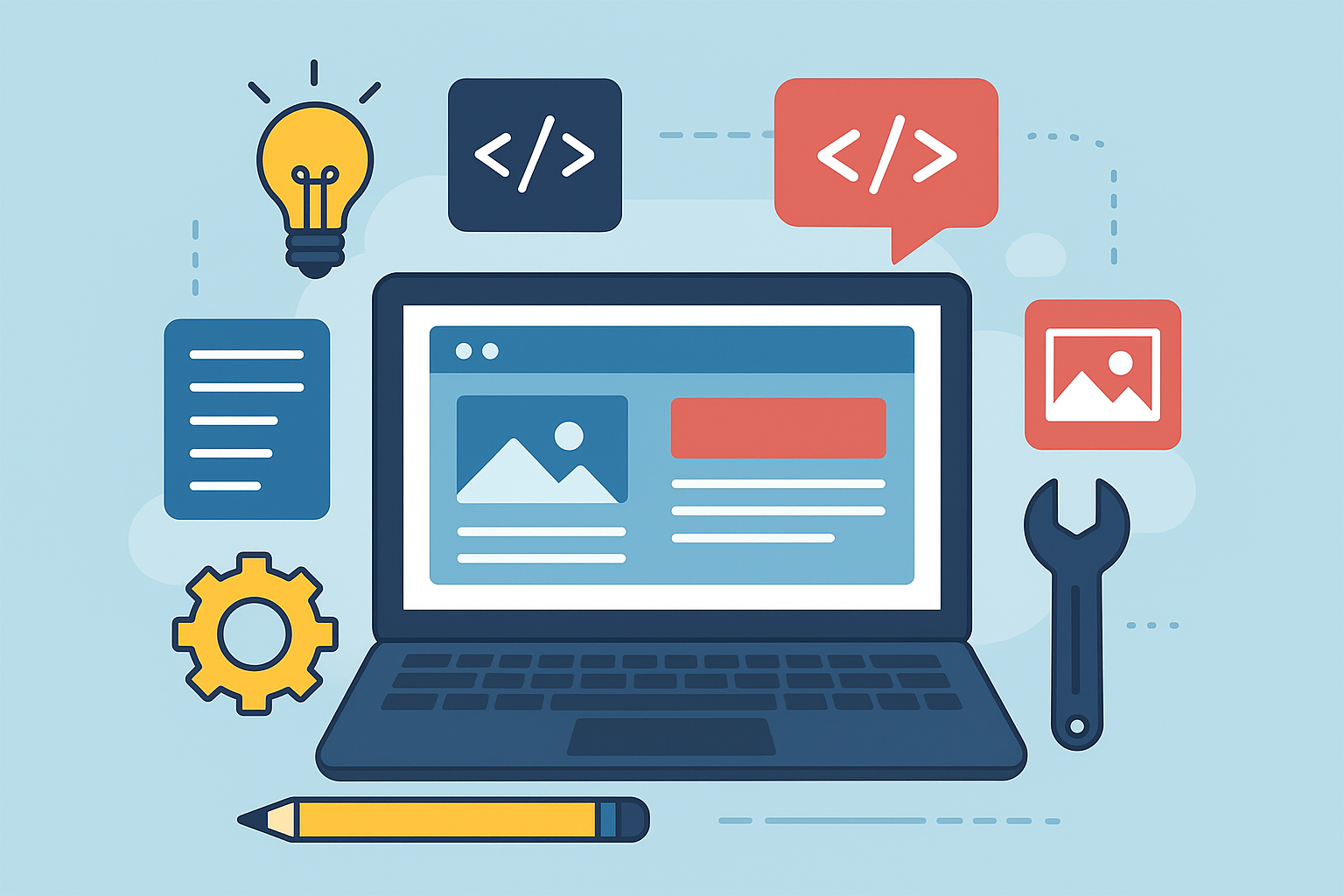
Web design refers to the process of creating the visual and functional aspects of a website. It encompasses several disciplines, including layout, color scheme, typography, and user experience, all aimed at making a website appealing, intuitive, and effective in achieving its goals. Here’s a breakdown of what web design entails and why it’s important for your business:
Key Components of Web Design
1. Visual Design:
- This involves the aesthetics of the website, including colors, images, fonts, and overall layout. A visually appealing design captures visitors' attention and makes a strong first impression.
2. User Experience (UX) Design:
- UX design focuses on how users interact with the website. It involves creating a logical flow of information, easy navigation, and ensuring that the site is accessible to all users. A good UX helps users find what they need quickly, increasing the likelihood of conversions (like sales or sign-ups).
3. Responsive Design:
- With the increasing use of mobile devices, it’s crucial that websites are designed to work seamlessly on all screen sizes, from desktops to smartphones. Responsive design ensures that your website looks good and functions well on any device.
4. Functionality:
- This refers to how the website operates, including loading speed, interactive elements (like forms, buttons, and animations), and integration with other services (like social media or payment gateways). A functional website enhances user satisfaction and retention.
5. Content Strategy:
- Content is key to effective web design. Well-structured and engaging content keeps visitors informed and encourages them to take action. A good design will complement the content, making it easier to read and digest.
Importance of Web Design
1. First Impressions Matter:
- Your website is often the first point of contact between your business and potential customers. A well-designed website instills trust and credibility, while a poorly designed one can drive visitors away.
2. Brand Identity:
- A cohesive design reinforces your brand identity. Consistent colors, fonts, and imagery help communicate your brand's values and personality, making it more recognizable.
3. Improved Search Engine Ranking:
- A well-structured website with good design practices (like proper use of headings, alt tags for images, and mobile optimization) can positively impact your search engine ranking, making it easier for potential customers to find you.
4. Enhanced Conversion Rates:
- An effective web design encourages visitors to take specific actions, whether it’s signing up for a newsletter, making a purchase, or contacting your business. A clear call to action, easy navigation, and a visually appealing layout can significantly improve conversion rates.
5. Competitive Advantage:
- In a crowded online market, having a professionally designed website can set you apart from competitors. A unique and user-friendly design can attract more visitors and convert them into loyal customers.